What Does a Civil Engineering Firm Do? A Complete Guide for Residential and Commercial Projects
If you're planning to build a home, develop commercial property, or redevelop an existing site, you'll likely need the expertise of a civil engineering firm. Civil engineers play a vital role in transforming ideas into buildable, code-compliant projects by designing the infrastructure that supports buildings, roads, utilities, drainage systems, and site development. Their work begins long before construction starts and continues through permitting and, in many cases, throughout the construction process.
Whether you're a homeowner, developer, architect, or contractor, understanding what a civil engineering firm does can help you make informed decisions, avoid costly delays, and ensure your project starts on a solid foundation.
What Is a Civil Engineering Firm?
A civil engineering firm provides professional engineering services related to the planning, design, and development of land and infrastructure. Unlike architects, who focus primarily on building aesthetics and interior layouts, civil engineers are responsible for designing the systems that allow a property to function safely and efficiently.
These systems include:
- Water distribution
- Sanitary sewer systems
- Stormwater management
- Site grading
- Roadways and pavement
- Foundations and earthwork
- Utility coordination
- Land development planning
Civil engineering firms also help clients navigate local regulations, prepare permit documents, coordinate with government agencies, and develop practical engineering solutions for complex site conditions.
Why Civil Engineering Is Essential Before Construction Begins
Every successful construction project starts with careful planning. Before excavation equipment arrives on-site, engineers evaluate the property's existing conditions, identify potential challenges, and develop solutions that meet engineering standards and local building requirements.
Without proper engineering, projects can encounter issues such as:
- Drainage problems
- Utility conflicts
- Permit delays
- Increased construction costs
- Soil stability concerns
- Environmental compliance issues
By addressing these factors early, civil engineers help reduce risks and improve project efficiency.
Core Services Offered by a Civil Engineering Firm
Civil engineering firms offer a broad range of services depending on the project's size and complexity. Many projects require multiple engineering disciplines working together to create a coordinated design.
Civil Design
Civil design forms the backbone of nearly every construction project.
This service typically includes:
- Site layout
- Utility design
- Road alignment
- Parking areas
- Drainage systems
- Grading plans
- Infrastructure improvements
The goal is to develop practical engineering solutions that comply with local codes while supporting the owner's objectives.
Sustainable Water and Sewer Plans
Water and sewer systems must be carefully designed to protect public health and ensure reliable utility service.
Engineers prepare plans that determine:
- Water service locations
- Pipe sizing
- Utility connections
- Sewer capacity
- Fire protection requirements
- Coordination with existing infrastructure
Sustainable planning also incorporates environmentally responsible practices that improve long-term system performance.
Residential Demolition Plans
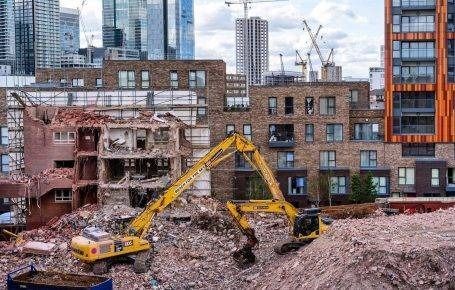
Before an older structure can be removed, many jurisdictions require professionally prepared demolition plans.
These plans help ensure:
- Utilities are properly disconnected
- Safety procedures are followed
- Adjacent properties are protected
- Environmental regulations are met
- Site preparation is properly documented
Accurate demolition planning helps projects transition smoothly into new construction.
Site Development
Site development transforms undeveloped or underutilized land into property ready for construction.
This process may involve:
- Clearing vegetation
- Earthwork
- Utility installation
- Drainage improvements
- Road access
- Grading
- Stormwater management
Each element must work together to support future construction safely and efficiently.
Earthwork and Grading: Building a Stable Foundation
One of the earliest phases of construction involves shaping the land to support buildings and infrastructure.
Civil engineers determine how much material needs to be excavated, relocated, or imported while balancing construction costs and site performance.
Proper grading helps:
- Direct stormwater away from buildings
- Prevent erosion
- Improve drainage
- Create stable building pads
- Reduce future maintenance
Even small grading errors can create significant drainage and structural issues later.
Drainage System Design Protects Your Investment
Water management is one of the most important aspects of civil engineering.
Poor drainage can lead to:
- Flooding
- Foundation settlement
- Pavement deterioration
- Landscape damage
- Mold and moisture intrusion
Civil engineers evaluate rainfall, soil conditions, topography, and municipal drainage requirements to design systems that move water safely away from structures.
Depending on the site, drainage solutions may include:
- Catch basins
- Storm drains
- Underground piping
- Detention systems
- Bioswales
- Retention areas
- Green infrastructure
Well-designed drainage systems protect both the property and surrounding communities.
Surveying Provides the Foundation for Accurate Design
Engineering begins with reliable information.
Professional surveys establish:
- Property boundaries
- Existing structures
- Elevation changes
- Utility locations
- Easements
- Topographic features
Accurate survey data ensures engineering plans reflect real-world conditions rather than assumptions.
Without dependable surveying, even well-designed projects can encounter construction conflicts.
How CAD Drafting and BIM Improve Engineering Accuracy
Modern engineering relies heavily on advanced design technology.
Computer-Aided Design (CAD)
CAD software enables engineers to create highly detailed technical drawings that improve communication among project teams.
CAD drawings include:
- Utility layouts
- Site plans
- Profiles
- Construction details
- Engineering calculations
These documents become the basis for permitting and construction.
Building Information Modeling (BIM)
Many projects also benefit from Building Information Modeling (BIM), which creates intelligent three-dimensional models containing engineering information beyond traditional drawings.
BIM helps teams:
- Detect conflicts early
- Improve coordination
- Reduce construction changes
- Visualize infrastructure
- Improve project planning
For larger commercial developments, BIM can significantly reduce costly field modifications.
Feasibility Studies Reduce Risk Before You Invest
Before purchasing land or beginning development, many property owners commission feasibility studies.
These evaluations determine whether a project is practical from engineering, regulatory, and financial perspectives.
Typical feasibility studies examine:
- Site constraints
- Utility availability
- Environmental concerns
- Zoning compatibility
- Access requirements
- Infrastructure capacity
- Preliminary construction costs
Identifying challenges early allows developers to make informed investment decisions.
The Civil Engineering Permitting Process
One of the most valuable services a civil engineering firm provides is assistance with permitting.
Engineering firms prepare the documentation required by reviewing agencies and respond to technical comments during the approval process.
Depending on the project, permits may involve:
- Utility approvals
- Stormwater review
- Grading permits
- Sediment and erosion control
- Demolition permits
- Public infrastructure coordination
Because regulations vary by jurisdiction, local engineering experience often helps projects move through the review process more efficiently.
Residential and Commercial Projects Have Different Engineering Needs
Although the engineering principles remain similar, residential and commercial developments often require different approaches.
Residential Projects
Residential engineering commonly includes:
- Custom homes
- Additions
- Utility connections
- Demolition planning
- Site grading
- Drainage improvements
Projects generally involve smaller sites but still require careful attention to local regulations.
Commercial Projects
Commercial developments frequently involve:
- Larger utility systems
- Parking design
- Traffic circulation
- Stormwater management
- Infrastructure coordination
- Accessibility requirements
- Construction phasing
These projects often require coordination with architects, contractors, municipalities, and multiple engineering disciplines.
How Civil Engineers Help Control Costs
Many people think engineering increases project costs.
In reality, quality engineering often reduces overall expenses by preventing problems before construction begins.
Thoughtful engineering helps minimize:
- Construction delays
- Utility conflicts
- Change orders
- Material waste
- Rework
- Scheduling disruptions
Early planning generally costs far less than correcting mistakes during construction.
Choosing the Right Civil Engineering Firm
Not all engineering firms provide the same level of expertise.
When selecting a civil engineering partner, consider factors such as:
- Experience with similar projects
- Knowledge of local regulations
- Technical capabilities
- Communication style
- Project management approach
- Commitment to sustainable design
- Ability to coordinate with architects and contractors
A knowledgeable engineering team becomes a valuable partner throughout the life of the project.
Why Local Experience Matters in Washington, DC
Engineering projects in the Washington, DC region present unique challenges.
Dense urban development, aging infrastructure, environmental regulations, and complex permitting requirements require engineers who understand local conditions.
Working with a firm familiar with Washington, DC and the surrounding metropolitan area can improve project coordination, reduce permitting delays, and help identify practical solutions tailored to local requirements.
This local knowledge is especially valuable when projects involve utility coordination, redevelopment sites, or environmentally sensitive areas.
Frequently Asked Questions
What does a civil engineering firm do?
A civil engineering firm designs and plans infrastructure that supports construction projects, including water and sewer systems, drainage, grading, utilities, roads, and site development while ensuring compliance with applicable regulations.
When should I hire a civil engineering firm?
It's best to engage a civil engineering firm during the early planning stages of your project. Early involvement helps identify potential issues, improve design coordination, and streamline permitting.
Do residential projects require civil engineering?
Many residential projects—including new homes, additions, demolitions, and significant site improvements—require engineering services depending on local regulations and project scope.
What's the difference between an architect and a civil engineer?
Architects primarily focus on building design and functionality, while civil engineers design the infrastructure that supports the building, including utilities, grading, drainage, and site development.
Can civil engineers help with permits?
Yes. Civil engineering firms prepare technical documents, engineering calculations, and construction plans needed for permit applications and often coordinate with reviewing agencies throughout the approval process.
Partner with Experienced Civil Engineering Professionals
Whether you're planning a residential improvement, commercial development, or large-scale site project, professional engineering provides the technical foundation needed for long-term success. From initial feasibility studies and utility planning to drainage design and permitting support, experienced civil engineers help reduce risk while keeping projects moving forward efficiently.
C.G. Williams Engineering LLC provides comprehensive civil engineering services throughout Washington, DC and within a 100-mile service area. The firm specializes in sustainable water and sewer plans, residential demolition plans, civil design, earthwork, drainage systems, site development, CAD drafting, BIM, project planning, and related engineering services for residential and commercial clients.
Recent Posts