Why Professional Drainage Design Is Essential for Property Protection
Water is one of the most destructive forces affecting residential and commercial properties. While a well-designed drainage system often goes unnoticed, poor drainage can lead to flooding, foundation damage, soil erosion, pavement deterioration, and costly repairs. Whether you're constructing a new building, expanding an existing property, or redeveloping land, professional drainage design is one of the most important investments you can make.
Drainage design is much more than directing rainwater away from a building. It requires careful analysis of topography, soil conditions, rainfall patterns, utility infrastructure, and local regulations to create a system that effectively manages water during both everyday storms and severe weather events. In Washington, DC, where dense urban development and aging infrastructure present unique challenges, professionally engineered drainage systems help protect both private property and public infrastructure.
Working with an experienced civil engineering firm ensures drainage systems are designed to meet regulatory requirements while supporting the long-term performance and value of your property.
What Is Drainage Design?
Drainage design is the process of planning and engineering systems that safely collect, convey, store, and discharge stormwater and surface water.
The primary goal is to prevent water from accumulating where it can damage buildings, roads, landscaping, or utilities.
A comprehensive drainage system may include:
- Surface grading
- Storm drain piping
- Catch basins
- Culverts
- Swales
- Retention ponds
- Detention systems
- Underground storage
- Permeable pavement
- Green infrastructure
Each component works together to manage runoff while protecting surrounding properties and the environment.
Why Proper Drainage Matters
Poor drainage can affect nearly every aspect of a property.
Without an effective drainage system, excess water may lead to:
- Foundation settlement
- Basement flooding
- Standing water
- Soil erosion
- Pavement cracking
- Landscape damage
- Mold and moisture problems
- Utility damage
- Reduced property value
Many drainage issues develop gradually, making early engineering even more valuable.
By addressing water movement during the planning phase, property owners can avoid expensive repairs in the future.
How Water Behaves on a Construction Site
Rainwater naturally follows the path of least resistance.
When land is developed, natural drainage patterns often change because of:
- Buildings
- Parking lots
- Roads
- Sidewalks
- Retaining walls
- Landscaping
- Utility installations
Impervious surfaces such as concrete and asphalt prevent water from soaking into the ground.
As a result, runoff increases significantly.
Civil engineers evaluate these changes and design systems that safely manage additional stormwater while complying with local regulations.
Common Causes of Drainage Problems
Drainage failures rarely occur because of a single issue.
Instead, they typically result from multiple factors working together.
Improper Grading
Even minor grading mistakes can redirect water toward buildings instead of away from them.
Poor grading often causes:
- Ponding water
- Foundation damage
- Landscape erosion
- Sidewalk deterioration
Professional grading plans ensure water flows in the intended direction.
Undersized Drainage Systems
Drainage infrastructure must be designed to accommodate expected rainfall volumes.
Pipes or inlets that are too small may become overwhelmed during heavy storms.
Proper engineering calculations help determine appropriate system capacity.
Blocked Drainage Features
Leaves, sediment, and debris can reduce drainage performance.
Routine maintenance helps keep systems functioning properly, but good design also minimizes opportunities for blockages.
Inadequate Stormwater Planning
Modern developments create more runoff than undeveloped land.
Without stormwater management measures, downstream flooding and erosion may become significant concerns.
Professional engineering addresses these impacts before construction begins.
Components of an Effective Drainage System
Every property has unique drainage requirements.
Civil engineers select drainage components based on site conditions, development plans, and regulatory requirements.
Surface Grading
Grading establishes how water moves across the property.
Proper slopes direct runoff toward designated collection points while protecting structures.
Catch Basins
Catch basins collect stormwater and channel it into underground piping.
They also help trap debris before it enters the drainage network.
Storm Drain Piping
Underground pipes transport stormwater safely through the property and toward approved discharge locations.
Pipe sizing depends on rainfall intensity, drainage area, and system capacity.
Swales
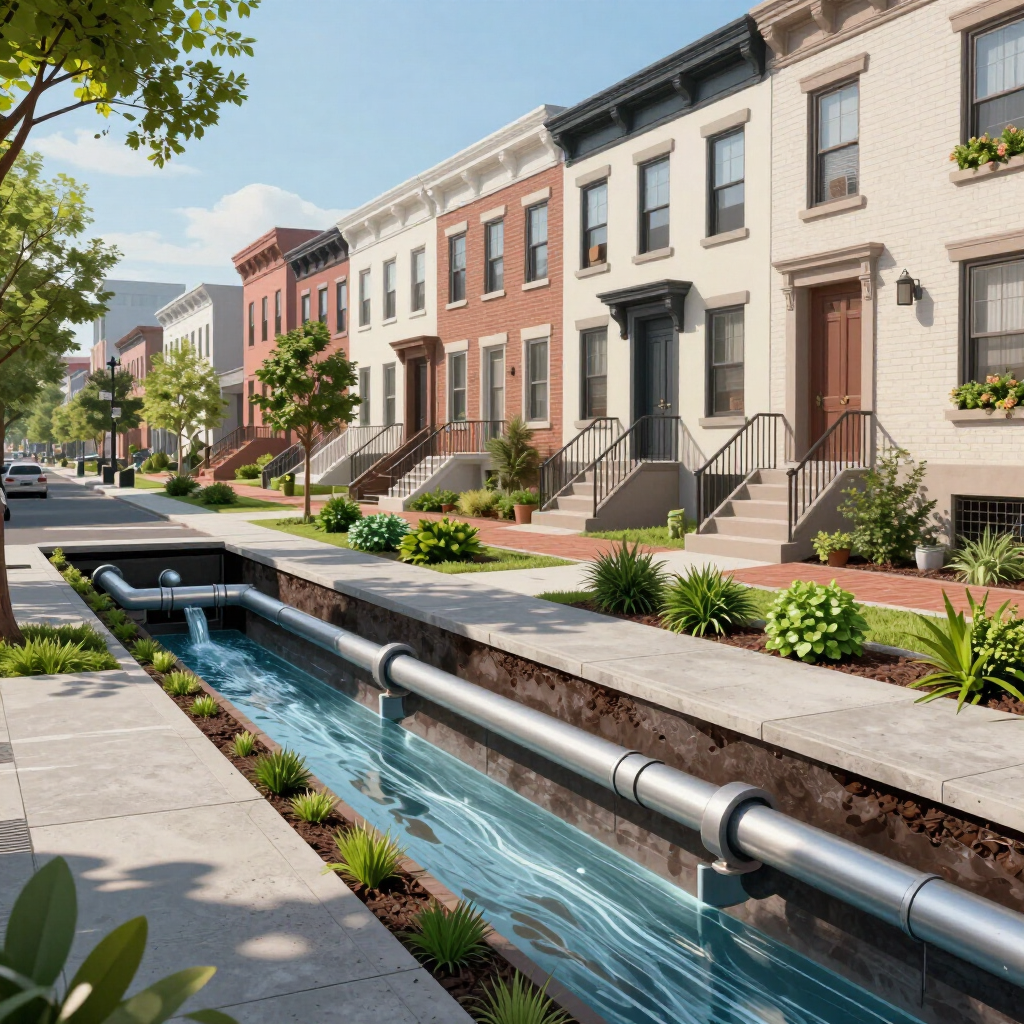
Vegetated swales are shallow channels that slow runoff while promoting infiltration.
They are often used as sustainable alternatives to traditional drainage infrastructure.
Retention and Detention Systems
These facilities temporarily store stormwater during heavy rainfall.
Retention systems hold water permanently or allow it to infiltrate gradually.
Detention systems temporarily store runoff before releasing it at controlled rates.
Both approaches reduce downstream flooding.
The Growing Importance of Stormwater Management
Stormwater management has become a major focus of modern civil engineering.
As cities continue to grow, natural landscapes are replaced with roofs, parking lots, and roads that generate greater runoff.
This increases pressure on existing infrastructure.
Professional drainage design helps:
- Improve water quality
- Reduce erosion
- Minimize flooding
- Protect nearby waterways
- Support sustainable development
Many jurisdictions, including Washington, DC, require projects to demonstrate effective stormwater management before permits are issued.
Sustainable Drainage Solutions
Today's engineering solutions increasingly emphasize sustainability.
Rather than simply moving water off-site as quickly as possible, sustainable drainage systems manage runoff more naturally.
Examples include:
Rain Gardens
Rain gardens collect stormwater and allow it to infiltrate into the soil while supporting attractive landscaping.
Bioswales
These vegetated channels slow runoff and remove pollutants before water reaches public drainage systems.
Permeable Pavement
Unlike conventional pavement, permeable materials allow rainfall to pass through the surface and soak into underlying soils.
This reduces runoff and improves groundwater recharge.
Green Infrastructure
Green infrastructure combines natural systems with engineered solutions to improve stormwater management while enhancing community resilience.
These approaches often provide environmental and economic benefits over the long term.
Drainage Design During Site Development
Drainage planning begins long before construction starts.
Civil engineers evaluate numerous site characteristics, including:
- Existing topography
- Soil conditions
- Property boundaries
- Nearby waterways
- Existing utilities
- Proposed building locations
- Access roads
- Landscaping plans
This information allows engineers to develop coordinated designs that support the entire project.
Proper drainage should never be treated as an afterthought.
The Relationship Between Drainage and Foundations
One of the most significant benefits of proper drainage is protecting building foundations.
Excess moisture surrounding foundations may contribute to:
- Soil movement
- Settlement
- Hydrostatic pressure
- Cracking
- Water intrusion
By directing water away from structures, professionally designed drainage systems help preserve structural integrity over time.
Drainage and Pavement Longevity
Water is also a leading cause of pavement deterioration.
Poor drainage allows moisture to weaken pavement foundations, resulting in:
- Cracks
- Potholes
- Rutting
- Surface failures
Proper grading and drainage extend pavement life while reducing maintenance costs.
This is especially important for parking lots, private roads, and commercial developments.
Why Local Knowledge Matters in Washington, DC
Washington, DC presents several unique drainage challenges.
These include:
Dense Urban Development
Limited space often requires creative drainage solutions that maximize available land while meeting regulatory requirements.
Aging Infrastructure
Many existing stormwater systems were designed decades ago.
Engineers must carefully coordinate new drainage systems with older infrastructure.
Environmental Regulations
Washington, DC places significant emphasis on protecting local waterways through sustainable stormwater management.
Projects often require detailed engineering documentation demonstrating compliance with environmental standards.
Variable Site Conditions
Older neighborhoods frequently present unexpected underground utilities, elevation changes, and redevelopment constraints.
Experienced local engineers understand how these factors affect drainage design.
Benefits of Hiring a Civil Engineering Firm for Drainage Design
Professional engineering provides advantages throughout the life of a project.
Benefits include:
- Accurate hydraulic calculations
- Code-compliant designs
- Improved stormwater management
- Reduced flooding risks
- Better coordination with utilities
- More efficient permitting
- Lower long-term maintenance costs
- Sustainable infrastructure solutions
Investing in quality engineering during planning typically reduces expensive corrections after construction.
Signs Your Property May Have Drainage Problems
Property owners should monitor for early warning signs of drainage issues.
Common indicators include:
- Water pooling after rainfall
- Basement moisture
- Foundation cracks
- Eroding soil
- Standing water near structures
- Dying vegetation
- Pavement deterioration
- Overflowing drainage inlets
Addressing these problems early often prevents larger structural repairs.
Planning for Future Climate Conditions
Rainfall patterns continue to evolve, making resilient drainage systems increasingly important.
Modern civil engineering considers not only current conditions but also future demands on infrastructure.
Designing for resilience helps properties better withstand:
- More frequent heavy rain events
- Increased runoff
- Changing environmental regulations
- Long-term infrastructure demands
Forward-thinking drainage design protects both current and future investments.
Frequently Asked Questions
What does a drainage design include?
Drainage design typically includes grading plans, stormwater calculations, drainage piping, catch basins, detention or retention facilities, erosion control measures, and supporting engineering documentation.
Why is drainage design important?
Proper drainage protects buildings, roads, landscaping, and utilities from water damage while helping projects comply with local regulations.
Can poor drainage damage a foundation?
Yes. Excess moisture around foundations can contribute to settlement, hydrostatic pressure, cracking, and water intrusion if drainage is not properly managed.
Is drainage design required for new construction?
Many residential and commercial developments require professionally engineered drainage plans as part of the permitting process, particularly when stormwater management regulations apply.
How can sustainable drainage improve a project?
Sustainable drainage practices reduce runoff, improve water quality, support environmental goals, and often lower long-term maintenance costs while increasing the resilience of the property.
Protect Your Property with Expert Drainage Design
Every successful construction project depends on effective water management. Whether you're developing residential property, constructing a commercial facility, or improving an existing site, professionally engineered drainage systems help protect your investment from flooding, erosion, and long-term structural damage.
C.G. Williams Engineering LLC provides comprehensive drainage design, stormwater management, civil engineering, site development, sustainable water and sewer planning, grading, earthwork, utility coordination, and engineering consulting throughout Washington, DC, and communities within a 100-mile radius. By combining practical engineering expertise with an understanding of local regulations, the firm develops drainage solutions that support safe, efficient, and sustainable development.
Recent Posts