The Complete Guide to Earthwork and Grading for Construction Projects
Before the first foundation is poured or the first wall is constructed, every successful building project begins with preparing the land. Earthwork and grading are among the most important phases of site development because they establish the conditions necessary for safe, durable, and efficient construction. While these activities often happen behind the scenes, they directly influence everything from drainage and foundation performance to construction costs and project timelines.
Whether you're building a custom home, developing a commercial property, or preparing land for future expansion, properly engineered earthwork and grading provide the stable foundation every project needs. In Washington, DC, where varying topography, aging infrastructure, strict environmental regulations, and dense urban development create additional challenges, professional civil engineering is essential to ensuring site preparation is completed correctly.
This guide explains what earthwork and grading involve, why they matter, and how experienced civil engineers help property owners reduce risks while preparing land for successful construction.
Understanding Earthwork and Its Role in Site Preparation
What Is Earthwork?
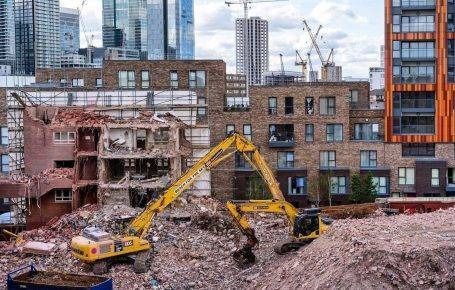
Earthwork refers to the process of moving, removing, or reshaping soil, rock, and other materials to prepare a site for construction.
Depending on the project, earthwork may include:
- Excavation
- Filling low areas
- Soil relocation
- Rock removal
- Land clearing
- Slope stabilization
- Rough grading
- Fine grading
- Soil compaction
Every construction project requires some level of earthwork, whether it's preparing a residential lot for a new home or developing a large commercial site.
Proper planning ensures these activities are completed efficiently while minimizing unnecessary costs.
What Is Grading in Civil Engineering?
Grading is the process of shaping the land to achieve specific elevations and slopes that support buildings, roads, utilities, landscaping, and drainage systems.
Unlike general excavation, grading focuses on directing how water flows across a property while creating stable surfaces for construction.
A grading plan establishes:
- Finished ground elevations
- Building pad elevations
- Drainage slopes
- Driveway grades
- Sidewalk elevations
- Utility coordination
- Stormwater flow paths
Proper grading is one of the most effective ways to prevent future drainage problems.
Why Proper Earthwork and Grading Are Essential for Construction
Many property owners focus on the building itself, but long-term performance depends heavily on the quality of site preparation.
Well-executed earthwork and grading provide several important benefits:
- Stable building foundations
- Improved drainage
- Reduced erosion
- Lower maintenance costs
- Better pavement performance
- Increased construction efficiency
- Improved site accessibility
- Enhanced long-term property value
When these activities are performed without proper engineering oversight, problems often appear long after construction is complete.
Key Stages of the Earthwork and Site Preparation Process
Every project begins with understanding the site's existing conditions before equipment begins moving soil.
1. Site Investigation and Existing Conditions Assessment
Civil engineers first evaluate the property by reviewing:
- Topographic surveys
- Existing drainage patterns
- Soil conditions
- Utility locations
- Property boundaries
- Environmental constraints
- Existing structures
- Access points
This information allows engineers to develop a practical earthwork strategy tailored to the site's unique characteristics.
2. Cut and Fill Analysis for Efficient Earthwork Planning
One of the primary goals of earthwork design is balancing excavation with fill requirements.
"Cut" refers to removing soil from higher elevations.
"Fill" involves placing soil in lower areas to achieve the desired grades.
Balancing these quantities helps reduce the need to import or export material, lowering transportation costs and minimizing environmental impacts.
3. Excavation and Soil Removal Considerations
Excavation is often misunderstood as simply removing soil.
In reality, engineers carefully determine:
- Excavation limits
- Required depths
- Soil stability
- Utility clearances
- Foundation requirements
- Equipment access
Different soil types require different excavation methods.
Clay, sand, gravel, and rock each present unique engineering considerations.
Careful planning improves both safety and construction efficiency.
4. Soil Compaction and Foundation Stability
After soil has been placed, it must be compacted to achieve adequate strength and stability.
Improperly compacted soil can lead to:
- Foundation settlement
- Cracked pavement
- Utility movement
- Uneven floors
- Retaining wall failure
Civil engineers specify compaction requirements based on the intended use of the site.
Quality control testing helps verify that soil meets design specifications before construction continues.
The Importance of Grading and Drainage Management
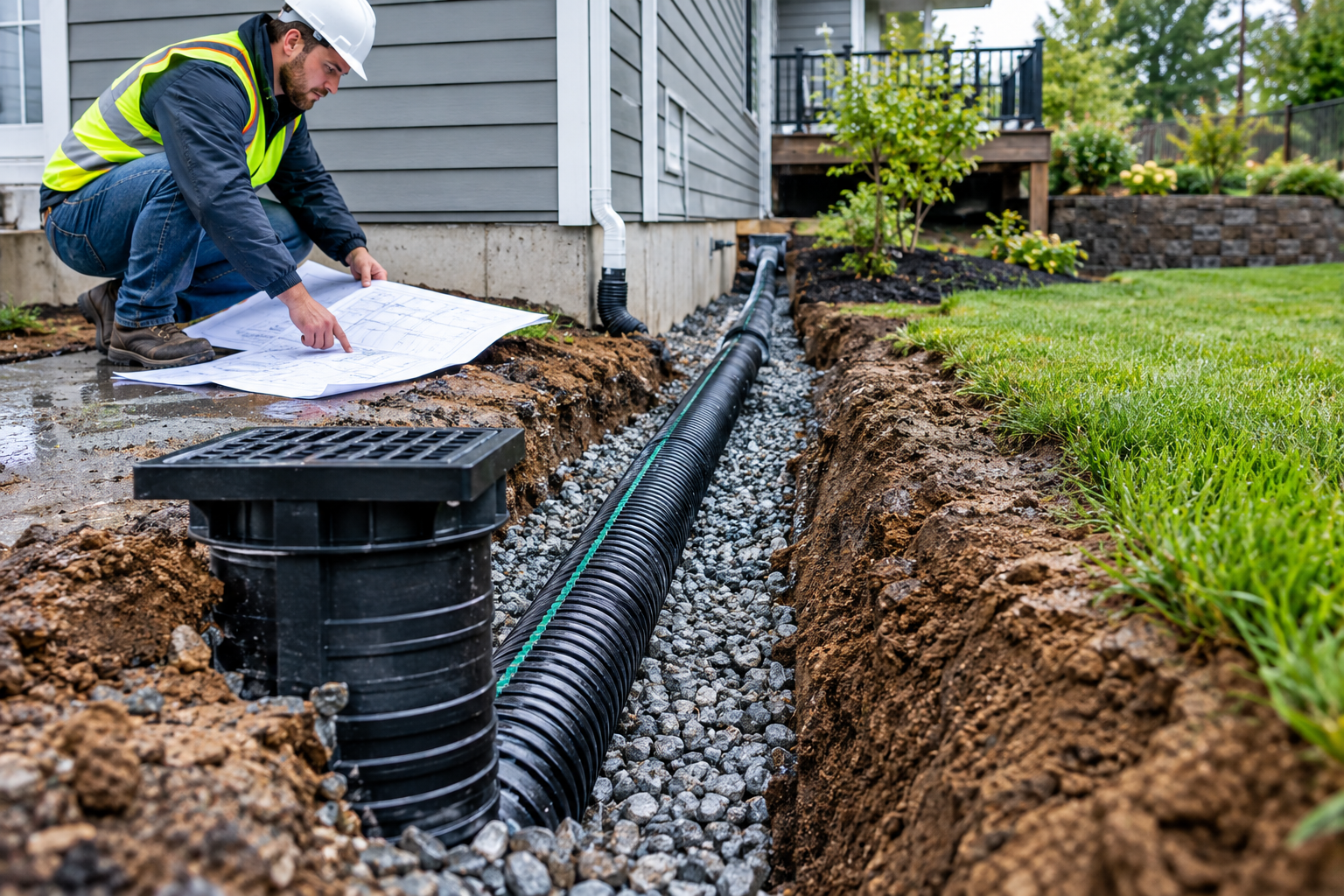
One of the primary purposes of grading is controlling water movement.
Without proper grading, rainwater can collect around buildings or flow toward neighboring properties.
Professional grading helps:
- Direct water away from foundations
- Reduce standing water
- Protect landscaped areas
- Prevent erosion
- Improve stormwater management
Even slight elevation changes can dramatically affect drainage performance.
This is why grading should always be designed by qualified professionals.
Coordinating Earthwork With Utility Installation
Site preparation and utility construction often occur simultaneously.
Civil engineers coordinate earthwork with the installation of:
- Water lines
- Sewer systems
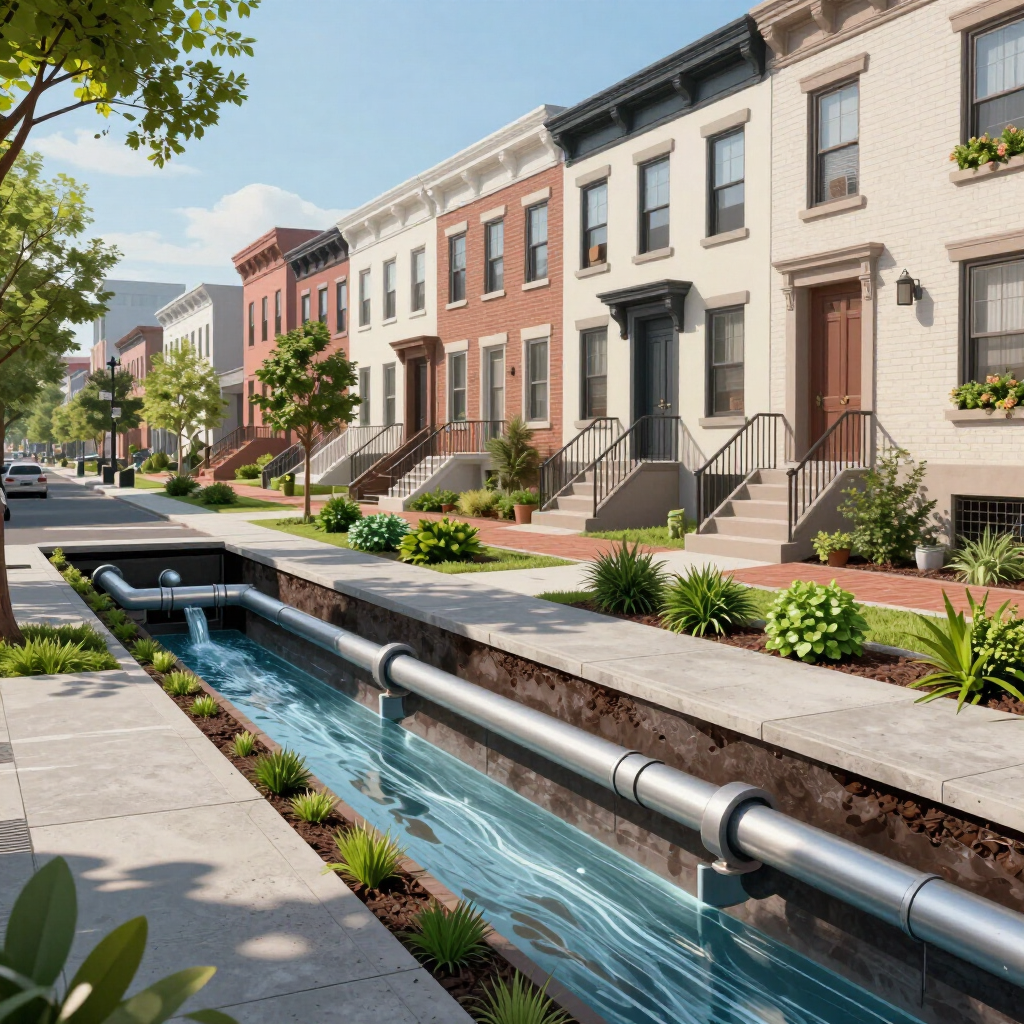
- Storm drainage
- Electrical conduits
- Gas service
- Telecommunications infrastructure
Proper sequencing prevents unnecessary excavation and reduces conflicts between different trades.
Good coordination also shortens construction schedules.
Slope Stability and Erosion Control During Site Development
Not every property is flat.
Many sites require engineers to evaluate slopes for long-term stability.
Steep or unstable slopes may require:
- Retaining walls
- Reinforced embankments
- Drainage improvements
- Vegetation stabilization
- Soil reinforcement systems
These measures help protect nearby structures while reducing erosion risks.
During construction, temporary erosion control measures are often installed to prevent sediment from leaving the site.
Environmental Protection and Sustainable Earthwork Practices
Earthwork has a direct impact on the surrounding environment.
Professional engineering helps minimize these impacts through responsible planning.
Environmental considerations often include:
- Preserving natural drainage patterns where practical
- Protecting nearby waterways
- Managing stormwater runoff
- Reducing soil erosion
- Minimizing disturbance to existing vegetation
- Controlling dust during construction
Many jurisdictions require erosion and sediment control plans before earthwork begins.
Common Earthwork and Grading Challenges in Construction Projects
Even well-planned projects may encounter unexpected site conditions.
Poor Soil Conditions
Some soils lack the strength needed to support buildings or pavement.
Engineers may recommend:
- Soil stabilization
- Undercutting weak soils
- Structural fill placement
- Geotechnical improvements
Unexpected Underground Utilities
Older properties often contain undocumented utilities.
Locating existing infrastructure before excavation helps avoid costly damage and project delays.
Rock Excavation and Removal
Rock removal can significantly affect project costs and schedules.
Early site investigations help estimate excavation requirements more accurately.
Weather-Related Construction Delays
Heavy rainfall can delay earthwork operations and create unstable working conditions.
Proper scheduling and temporary drainage measures help reduce weather-related disruptions.
Residential and Commercial Earthwork Applications
Earthwork and Grading for Residential Construction
Residential construction typically includes:
- Building pad preparation
- Driveway grading
- Utility trenching
- Drainage improvements
- Landscaping elevations
- Foundation excavation
Although smaller than commercial developments, residential projects still require precise engineering to ensure long-term performance.
Earthwork and Grading for Commercial Developments
Commercial sites often involve much larger earthwork operations.
Projects may require:
- Mass grading
- Large-scale excavation
- Parking lot preparation
- Utility corridors
- Retaining structures
- Road construction
- Stormwater facilities
These projects frequently require coordination among multiple engineering disciplines.
Modern Technology and Innovation in Earthwork Engineering
Today's civil engineering firms use advanced technology to improve accuracy and efficiency.
CAD Drafting and Grading Plan Development
Computer-Aided Design (CAD) allows engineers to prepare highly accurate grading plans and construction documents.
Building Information Modeling (BIM) for Site Coordination
BIM helps coordinate earthwork with utilities, structures, and other project components before construction begins.
GPS Machine Control for Precision Grading
Many contractors now use GPS-guided equipment that follows engineering models with remarkable precision.
This technology improves grading accuracy while reducing construction time.
Drone Surveys for Earthwork Monitoring
Unmanned aerial systems provide detailed site data that supports progress monitoring and quantity verification throughout construction.
Why Local Civil Engineering Expertise Matters in Washington, DC
Earthwork projects in Washington, DC present unique challenges due to the region's dense development, older infrastructure, and regulatory environment.
Local civil engineers understand how to address issues such as:
- Limited construction access
- Existing underground utilities
- Stormwater regulations
- Environmental permitting
- Utility coordination
- Urban redevelopment constraints
This knowledge helps projects progress more efficiently while reducing the likelihood of costly delays.
Long-Term Benefits of Professional Earthwork and Grading Planning
Professional engineering provides value well beyond the construction phase.
Proper earthwork and grading contribute to:
- Improved structural performance
- Better drainage
- Reduced maintenance
- Longer pavement life
- Lower repair costs
- Enhanced safety
- Greater resilience during severe weather
Investing in quality site preparation often delivers returns throughout the life of the property.
Frequently Asked Questions About Earthwork and Grading
What Is the Difference Between Earthwork and Grading?
Earthwork involves excavating, moving, and placing soil or rock to prepare a site. Grading focuses on establishing final elevations and slopes that support drainage, construction, and long-term site performance.
Why Is Grading Important Before Construction?
Grading ensures proper drainage, creates stable building surfaces, reduces erosion, and helps prevent water from damaging foundations or surrounding infrastructure.
Can Poor Earthwork Cause Foundation Problems?
Yes. Inadequate excavation, improper soil compaction, or unstable fill materials can contribute to foundation settlement, cracking, and structural movement over time.
Do Residential Projects Require Grading Plans?
Many residential developments, particularly new construction and significant additions, require professionally prepared grading plans as part of the permitting process.
How Do Civil Engineers Reduce Earthwork Costs?
Engineers optimize cut-and-fill quantities, coordinate utility installation, evaluate site conditions early, and prepare efficient grading plans that minimize unnecessary excavation and material hauling.
Prepare Your Construction Site for Long-Term Success
Successful construction begins with careful site preparation. Proper earthwork and grading create the stable, well-drained foundation needed for homes, commercial buildings, and infrastructure to perform reliably for decades. By addressing soil conditions, drainage, utility coordination, and grading before construction begins, property owners can reduce risks, improve efficiency, and protect their investment.
C.G. Williams Engineering LLC provides comprehensive earthwork planning, grading design, site development, sustainable water and sewer planning, drainage engineering, utility coordination, CAD drafting, BIM, feasibility studies, and civil engineering services throughout Washington, DC and communities within a 100-mile radius. The firm's commitment to practical, sustainable engineering solutions helps residential and commercial clients move confidently from planning through construction.
Recent Posts